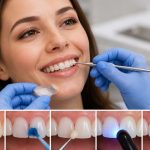
It’s easy to overlook a little tooth sensitivity, occasional gum bleeding, or mild jaw discomfort—especially when it doesn’t interfere with daily life. Many people assume these minor issues will resolve on their own. However, small dental problems are often early warning signs of bigger oral health concerns. Ignoring them can lead to pain, complications, and more extensive treatments down the road.
Catching dental issues early allows for simpler, more comfortable care. A routine visit to a dentist in northeast Edmonton can help identify problems before they progress, protecting both your smile and your overall well-being. What starts as a small concern today can become a major disruption tomorrow if left untreated.
Minor Symptoms Often Signal Bigger Dental Issues
Dental problems rarely appear overnight. They usually develop gradually, giving subtle signs along the way. Paying attention to these early indicators can make a significant difference.
Common small issues patients often ignore include:
-
Tooth sensitivity to hot or cold
-
Bleeding gums while brushing or flossing
-
Mild toothaches that come and go
-
Persistent bad breath
-
Slight swelling or gum irritation
While these symptoms may seem harmless, they can indicate cavities, gum disease, enamel erosion, or infections developing beneath the surface.
How Small Problems Can Turn Into Major Concerns
When dental issues are ignored, they don’t stay small. Over time, bacteria continue to spread, inflammation worsens, and damage becomes more difficult to reverse.
What can happen if problems are left untreated:
-
Small cavities can grow and reach the tooth’s nerve
-
Gum inflammation can progress into periodontal disease
-
Minor cracks can weaken teeth and cause fractures
-
Untreated infections may spread to surrounding tissues
Early treatment often means simpler solutions, while delayed care may require more complex procedures.
Early Dental Care Saves Time, Discomfort, and Stress
Addressing dental concerns early doesn’t just protect your oral health—it also makes care easier and more manageable. Patients who seek general dentistry near you at the first sign of trouble often experience quicker appointments and smoother recoveries.
Benefits of early dental care include:
-
Less invasive treatments
-
Shorter appointment times
-
Reduced discomfort
-
Lower risk of dental emergencies
-
Better long-term oral health outcomes
Routine exams and cleanings play a key role in detecting issues before they escalate.
The Impact on Your Overall Health
Oral health is closely connected to overall health. Ignoring dental problems doesn’t just affect your teeth—it can influence your entire body.
Potential links between untreated dental issues and overall health include:
-
Increased risk of infections
-
Worsening of chronic conditions
-
Inflammation that affects other systems
-
Difficulty eating, which impacts nutrition
Keeping your mouth healthy supports your body’s ability to function at its best.
Why Preventive Dentistry Matters
Preventive dental care focuses on stopping problems before they start or catching them early. Regular checkups allow dentists to monitor changes and take action when needed.
Preventive care typically includes:
-
Dental exams
-
Professional cleanings
-
X-rays when necessary
-
Oral health guidance and education
This proactive approach helps maintain strong teeth and healthy gums over the long term.
When Should You See a Dentist?
If something feels off—even slightly—it’s worth having it checked. Dental discomfort isn’t something you should learn to live with.
You should book an appointment if you notice:
-
Ongoing sensitivity or pain
-
Bleeding or swollen gums
-
Changes in how your teeth feel when biting
-
Spots, cracks, or discoloration on teeth
-
Persistent bad breath
Listening to your body can help prevent bigger problems later.
FAQs
Are small dental issues really that serious?
Yes. Small dental issues often indicate early stages of decay or gum disease. Treating them early helps prevent pain and more complex treatments.
How often should I visit the dentist to catch problems early?
Most patients benefit from dental checkups every six months, though your dentist may recommend a different schedule based on your needs.
Can brushing and flossing alone prevent dental problems?
Good oral hygiene is essential, but professional exams and cleanings are still necessary to detect issues that aren’t visible or painful yet.
What if I don’t feel any pain? Should I still see a dentist?
Absolutely. Many dental problems don’t cause pain until they become advanced. Regular visits help catch issues before discomfort begins.
Conclusion: Protect Your Smile Before Problems Grow
Small dental problems are easy to ignore—but they shouldn’t be. Early signs are your body’s way of asking for attention, and responding promptly can save you time, discomfort, and stress. Preventive care and timely treatment play a crucial role in maintaining lifelong oral health.
At Zenith Dental Choice, the focus is on proactive, patient-centered care designed to catch issues early and keep your smile healthy and strong. With a commitment to comprehensive general dentistry and personalized attention, the team helps patients protect their oral health before small problems turn into bigger ones. Taking action today can make all the difference for your smile tomorrow.